Where to Stay in Sabah: Finding Your Rhythm Between Mountain Mist, Deep Rainforest, and Open Sea
Discover where to stay in Sabah to let Borneo unfold naturally, moving calmly from the cool mist of Mount Kinabalu to deep primary rainforests and quiet island reefs.
PLACES TO STAY
SabahBorneo.com
8 min read
A trip through Sabah is not something you conquer with a spreadsheet or solve from a single hotel balcony. It is too wide for that, sliced open by jagged granite peaks, winding river systems, sapphire reefs, and dense green canopy. When you try to force every corner into a single whirlwind week, you end up spending your life on a long overland drive, watching the real island pass by through tinted glass.
The trick to Borneo is treating your journey like a book with quiet, distinct chapters. You pick a base, unpack your bags, and let the local rhythm take over before you pack up and move again. The secret is not seeing everything. It is staying in the right places for long enough that the land actually has time to settle into your skin.
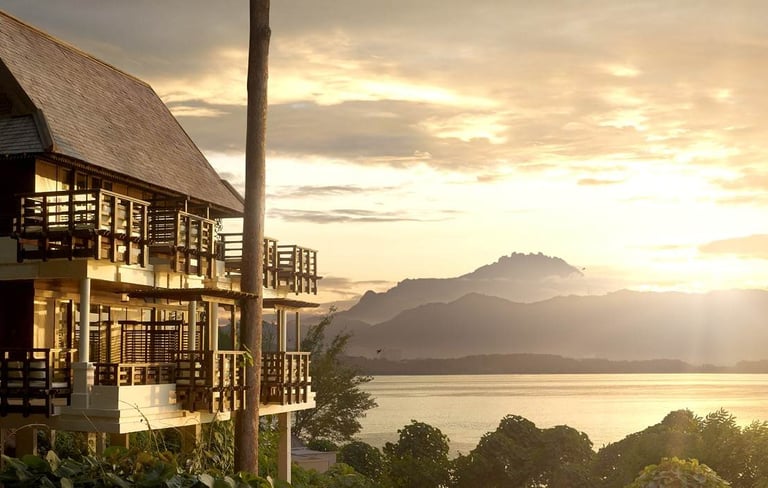
*A calm morning view from Gaya Island Resort
Kota Kinabalu, or KK as everyone calls it, is the most forgiving handshake Borneo offers. It is salty, warm, and practical. Coming off a long flight, the thick tropical air hits you the moment you step outside, but the city gently eases you into it.
Staying down by the waterfront or around Gaya Street keeps things effortless. You can walk out into the dusk, smell the charred skewers roasting at the night markets, and listen to the hum of fishing boats returning to the harbor. If you need a slower start, the grass lawns of Tanjung Aru or Sutera Harbour sit right on the edge of the water, where the sky routinely turns orange and deep purple as the sun drops into the ocean.
Just off the coast, the five forested islands of the Tunku Abdul Rahman Marine Park rise from the South China Sea. Among them, the high green ridges of Gaya Island float across the bay, wrapped in a deep dipterocarp canopy and shallow coral reefs. Resting out there or looking back toward it from the mainland shore means sleeping to the soft lap of the tide while keeping the city skyline in view across the water. Give yourself two nights in KK at the start. It gives your body time to adjust to the heat and sets a patient pace for everything that follows.
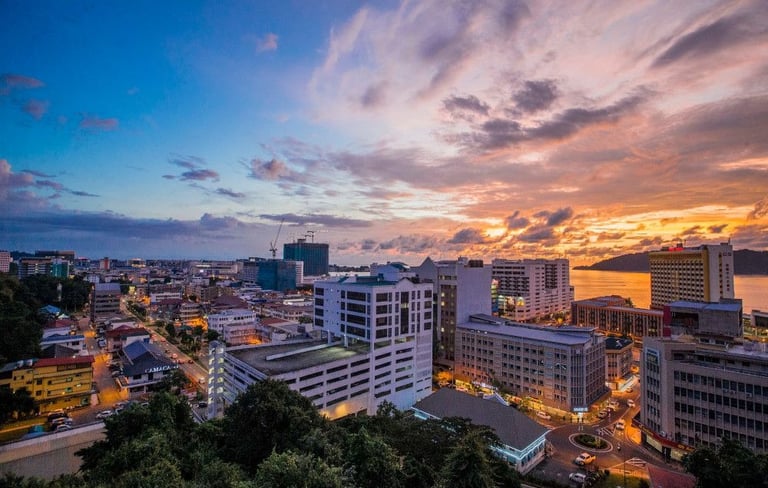
Kota Kinabalu: A Soft Landing on the Coast
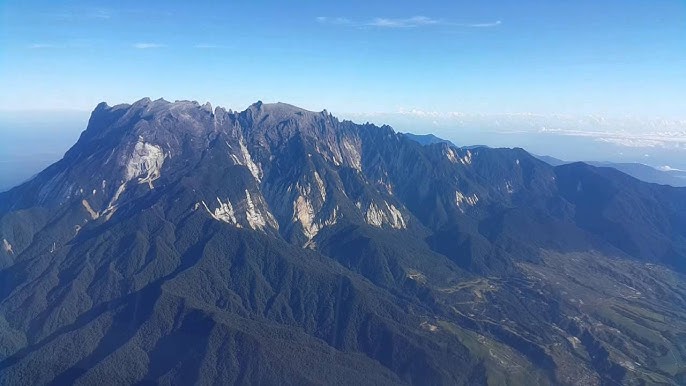
Leaving the coast behind, the road begins to climb. Within two hours, the sprawl of the city fades into winding mountain passes, and the air turns cool and thin. The shift in temperature is an instant relief. High above the valley, Mount Kinabalu stands heavy and dark against the sky, shrouded in fast-moving clouds.
Kundasang is the main hub here, a high-altitude farming town cut into the hillsides. Staying inside the actual boundary of Kinabalu Park is the quietest choice you can make. The wooden lodges sit directly among ancient trees and moss-covered paths. Waking up here means opening your door to a wall of mountain mist and a deep, damp chill that feels miles away from the coast.
If you choose a guesthouse along the ridges of Kundasang instead, you get sweeping views of valley vegetable farms framed by granite peaks. Just be sure to expect modest amenities and check that your stay has a working hot shower. The mountain nights are colder than most people expect. Spend two nights here, drink warm tea in the misty mornings, and let the altitude clear your head.
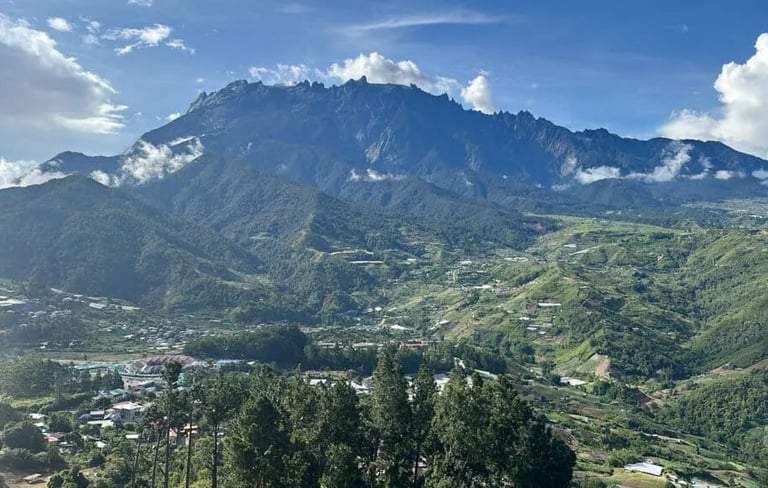
Kundasang and Kinabalu Park: Mountain Air and Cooling Mist
Moving east toward Sandakan brings you into Sepilok, where the wild feels intimate and close. It is far better to stay out here among the trees than in the commercial center of Sandakan city. The air in Sepilok is thick with the buzz of cicadas and the heavy scent of damp soil.
Basing yourself in a simple forest lodge puts you within walking distance of the orangutan and sun bear sanctuaries, as well as the tall canopy walkways of the Rainforest Discovery Centre. Early mornings are the magic hour here. Before the heat builds up and visitors arrive, you can walk along the boardwalks in the cool morning light, watching fog rise off the jungle canopy while hornbills move through the high branches.
Two nights in Sepilok is the sweet spot. It offers a gentle, deeply human connection to the island's wildlife preservation efforts without demanding the full physical grit of a deep-jungle expedition.


*Photo by Tim Morgan on Unsplash
Sepilok: The Edge of the Forest
At the Kinabatangan River, accommodation is stripped of pretense. You do not come here for luxurious rooms or refined decor. You come for the muddy, ancient river that flows past your doorstep, carrying the lifeblood of the forest with it.
Days here are measured by river outings. You board small wooden boats at dawn and again at dusk, gliding quietly past flooded forests and overhanging vines. The wildlife reveals itself slowly. You might round a bend to find a herd of pygmy elephants quietly crossing the shallows, or spot proboscis monkeys crashing through the canopy high above the water as the afternoon light turns gold.
Most stays operate on an all-inclusive basis with meals and boat trips bundled together. Choose a lodge based on the quality of its local guides rather than its amenities. Stay at least two nights. The river demands patience, and a good guide who knows how to read the water makes all the difference.
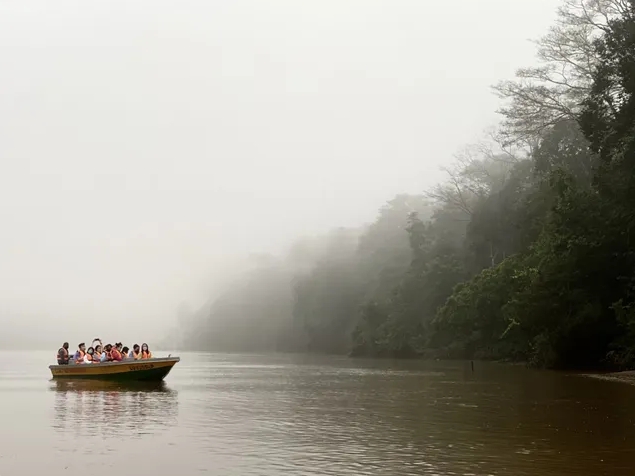
Kinabatangan River: Life Along the Waterways
Danum Valley is an experience of a different weight altogether. This is primary rainforest, ancient and untouched, preserved in a state that feels unchanged for thousands of years. Reaching it requires effort and intent, taking you deep down dirt logging roads far from main towns.
The cost to stay here is significant, but the experience is raw and profound. Huge dipterocarps tower over seventy meters above the forest floor, their roots gripping earth that has never been cleared. The silence here is heavy and absolute, broken only by the sudden call of a gibbon or the rain falling on broad leaves.
Because access is controlled and the journey is long, commit to at least two to three nights. Days are spent trekking quietly through dense foliage or riding in open-backed vehicles on night spotter drives. It is an investment, but standing beneath trees that were saplings centuries ago leaves a quiet mark that stays with you long after you return home.
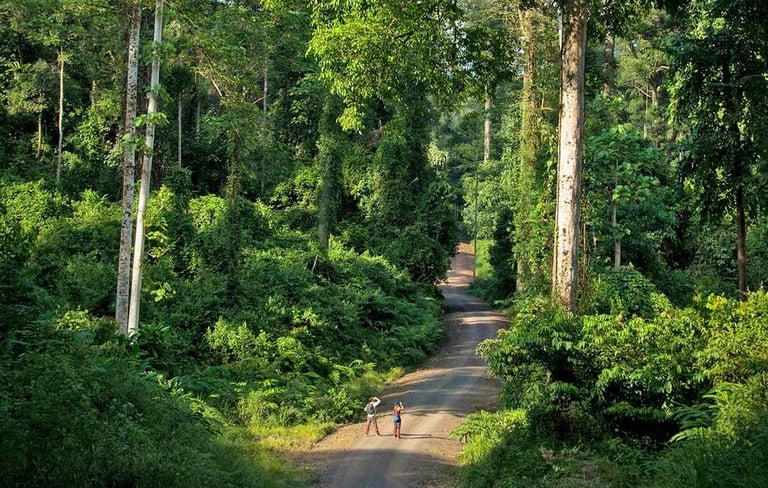
*Photo by Danum Valley
Danum Valley: The Ancient Canopy
Eventually, the road leads to Semporna on the southeastern coast. The town itself is a busy, noisy port full of fishing boats and dive operators, serving purely as a doorway to the Celebes Sea. You do not stay in Semporna for the town; you pass through it to reach the ocean.
Once your boat leaves the wooden jetties behind, the chaotic energy of the mainland vanishes into open water. Islands like Mabul and Kapalai emerge from water so clear you can watch sea turtles glide over coral reefs right beneath the boat. Staying in an overwater bungalow or an island dive lodge lets you drop straight into the sea at sunrise and fall asleep to the sound of water moving beneath your floorboards.
If you plan to dive world-class sites like Sipadan, secure your permits well in advance, as access is strictly capped to protect the marine ecosystem. Three nights out on the water provides the perfect ocean ending to a trip spent largely in the shadow of mountains and big trees.


*Sipadan-Kapalai Dive Resort - Photo by Colin + Meg on Unsplash
Semporna and the Islands: Salt Air and Deep Ocean
Once the main routes through Sabah begin to feel familiar, quieter names start calling from deeper on the map. These are not places you glue onto a rushed itinerary, but corners that reward patience and raw curiosity.
In Tabin Wildlife Reserve, accessed through the quiet town of Lahad Datu, the forest feels lower-key than Danum Valley but deeply alive. You spend mornings walking timber boardwalks to active mud volcanoes, watching mineral-rich earth bubble up while hornbills pass through the canopy above your cabin.
Further inland, Deramakot Forest Reserve belongs strictly to those willing to trade soft beds for real jungle grit. Accommodations here are simple and unpretentious, but the long, slow night drives through the dark forest offer some of the best chances on the island to sit in an open 4x4 and spot rare, nocturnal eyes reflecting in the beam of a spotlight.
Farther into the south-central heartland sits the Maliau Basin, a vast wilderness crater known as Sabah’s lost world. Reaching it requires physical stamina, proper permits, and the mental resolve to trek through primary rainforest where human footprints are rare. It is a genuine expedition, best saved for when you have the time and energy to respect its deep isolation.
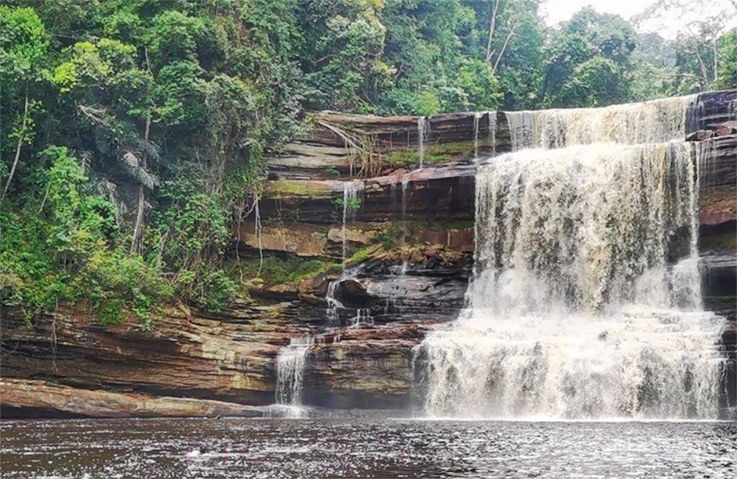
*Maliau Basin Waterfall. Photo by BERNAMA
Deeper Trails for the Unhurried
If your journey keeps you closer to the West Coast, you can step off the main highway without traveling far from Kota Kinabalu. Looking where local families head on weekends reveals a much slower side of the island.
Up in Kota Belud, riverside homestays sit open to the breeze, offering views of Mount Kinabalu’s northern face rising sharply above the valley. In the Penampang district, around Babagon and Moyog, simple wooden retreats sit right on the edge of mountain streams, where you can sit on cool river rocks and listen to clear water running over smooth stones.
Closer to the city, Kokol Hill offers an elevated ridge escape where the evening air turns noticeably cool as you watch the sunset stretch across the coastline below. Higher up in the Crocker Range, Gunung Alab sits in quiet isolation, a misty refuge with bare-bones shelter where birdwatchers sit quietly in the mountain chill.
At the northernmost tip of the island in Kudat, where the South China Sea meets the Sulu Sea, the pace drops completely. Long, uncrowded beaches and simple coast roads reward anyone willing to make the drive just to sit by the open ocean and do very little at all.
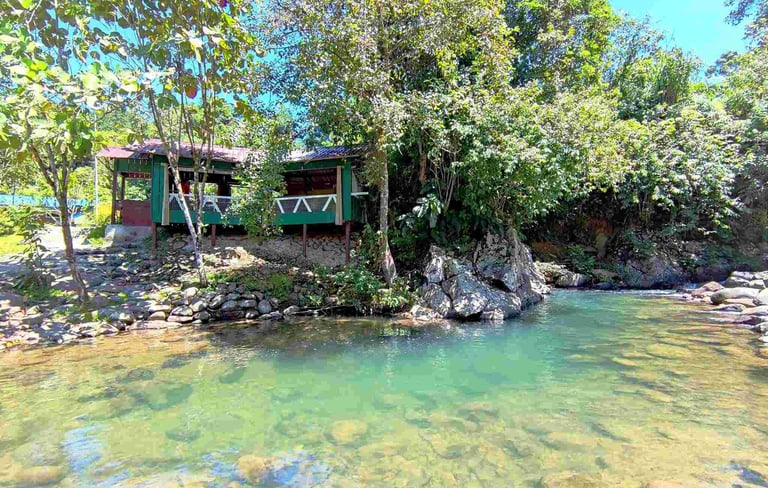
*Kamagi Riverside Retreat, Penampang
Along the West Coast Valleys and Shores
Sabah rewards those who choose restraint over exhaustion. It is far better to pick three complementary bases and sit with them than to spend your journey chasing every landmark on a map.
Allow yourself space between the journeys. Sit on the wooden verandas, listen to the rain fall against the tin roofs, eat local noodles at roadside stalls, and give the island room to show you what it is.
Note: This piece contains affiliate links. Booking through these links generates a small commission that supports this site, at zero extra cost to the traveler.
Where the Asphalt Gives Way to Verandas
Connect
Copyright © 2026 SabahBorneo.com - All Rights Reserved.
SabahBorneo.com
A journey through Sabah, Malaysian Borneo, is best experienced when you drop the rush and let each region reveal itself. SabahBorneo.com exists to share grounded observations, hand-picked quiet stays and local routes that respect both your time and travel investment, helping you strip away the logistics noise and settle into the natural rhythm of the island.